
 English
  Español
  Deutsch
Sublimation Keychain Materials: Choosing Blanks for Durable, Vibrant Keychains
2026-09-10Materials Guide — Sublimation Keychains
Sublimation Keychain Materials: Choosing Blanks That Print Well and Wear Well
A practical guide to the surfaces, finishes, and construction details behind custom sublimation keychains.
An order for two hundred custom keychains lands on your desk mid-week. The artwork is approved, the printer is profiled, and the only real decision left is which blank to press. It is also the decision that shapes everything else: colour vibrancy, edge finish, press speed, and the percentage of pieces that survive real pocket carry. The shortest route to a dependable result is to start with a PU leatherette keyring and move to glitter leatherette, fabric, or coated hard boards only when the design asks for a specific texture. Here is why that order makes sense, and how to test any blank before committing to a batch.
What Makes a Blank Actually Sublimation-Ready
Sublimation ink does not sit on a surface the way vinyl does. Under heat it converts to a gas and bonds with polymer molecules, so the blank must contain enough polyester or polyurethane to absorb the colour. When the polymer layer is thin, prints look milky. When the coating is not designed for heat, pressing melts it and leaves sticky streaks.
Five checks you can run before ordering any new blank:
- A polymer surface. PU leather, polyester fabric, or a purpose-made coated board all work; untreated wood and most natural leather do not.
- A white or light base. The blank's own colour sets the brightness floor for the whole design.
- Heat tolerance. The blank should survive 180–205 °C for 45–70 seconds without melting, bubbling, or sticking to the press sheet.
- Edges that match the market. Raw edges can grey after printing; painted edges and merrow borders hold a cleaner look.
- Consistent thickness. A 0.1 mm difference across a batch changes pressure distribution and produces patchy colour.
If the surface cannot accept the dye, no extra heat, pressure, or printing skill will make the image permanent. The blank is the window, and the window has to be open before you start.
PU Leatherette Keyrings: The Balanced Choice
PU leatherette dominates sublimation keychain production because it combines a true polymer surface with the look and feel of leather at a price that fits everyday orders. Prints stay clean across gradients and photos, the material resists scuffing in pockets, and the edges can be finished so no grey appears at the rim.
It is also the easiest material to standardise. A reliable supplier produces it on a white or cream base, offers single-sided and double-sided versions, and keeps coating density consistent from batch to batch. That consistency matters more than a pretty swatch when you are quoting fifty or five hundred pieces.
Glitter, Fabric, and Coated Boards: Matching Texture to Market
Not every order needs a classic leather look. Three alternatives cover most of the remaining briefs, and each changes the printed finish in a meaningful way.
Glitter Leatherette
Glitter leatherette embeds the sparkle inside the coating, so the printed image keeps its colours while picking up a subtle shine. It sells well for party gifts, graduation keepsakes, and fashion accessories. Because the texture sits within the coating, fine detail softens slightly; bright, bold artwork works better than tiny text.
Fabric and Burlap Patches
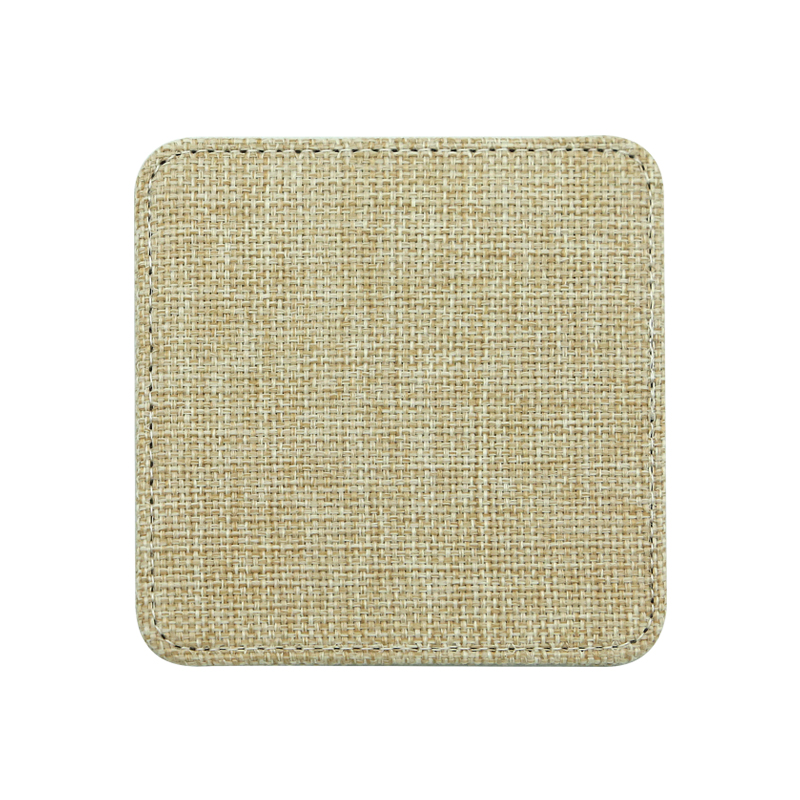
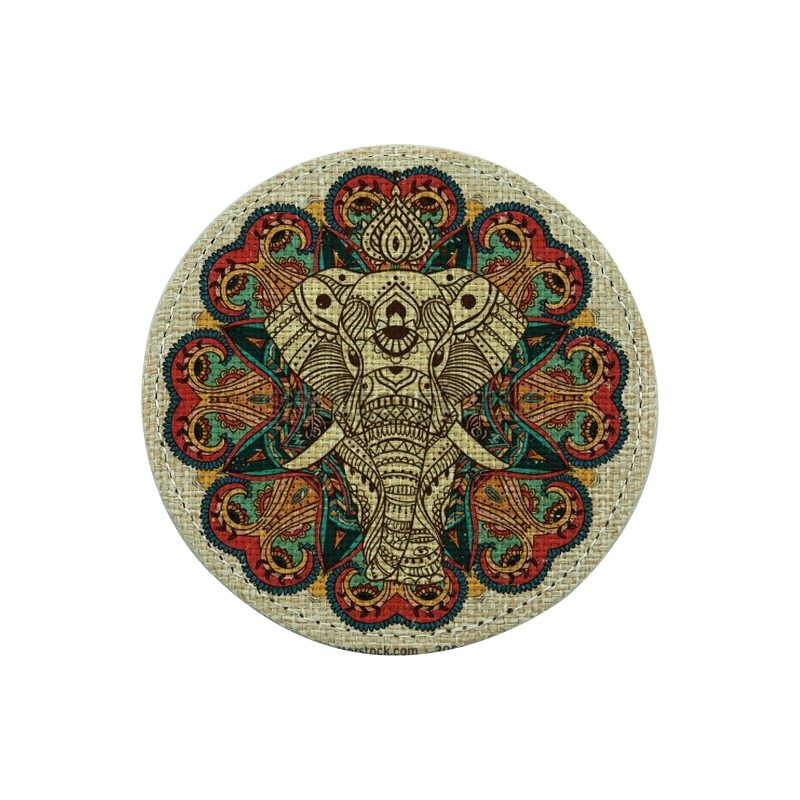
Fabric keychain blanks are normally merrow-edged patches that thread onto a split ring or stitch onto a strap. They fold, they feel soft, and they carry a badge look that suits clubs, outdoor brands, and event identity. Burlap adds a woven texture, but the resolution ceiling is lower, so keep designs simple.
Coated Hard Boards
Coated MDF and acrylic keychains produce the sharpest image and the highest contrast, which makes them popular for ornamental tags and hanging displays. The trade-offs are real: hard blanks scratch more easily, need tight pressure control, and become weak spots for prints if the coating cracks during punching.
| Material | Print clarity | Wear on a keyring | Edge feel | Typical orders |
|---|---|---|---|---|
| PU leatherette | High | Excellent | Clean, finished | Everyday customs, corporate gifts |
| Glitter leatherette | High with texture | Excellent | Finished with sparkle | Gifts, parties, fashion |
| Fabric / burlap patch | Medium | Good | Soft merrow border | Badge looks, clubs, events |
| Coated MDF / acrylic | Very high | Medium | Hard, chip-prone | Ornamental tags, displays |
Single-Sided or Double-Sided: A Production Decision, Not Just a Look
The biggest specification difference among keychain blanks is how many surfaces accept ink. Single-sided keyrings are faster to press, easier to align, and cheaper per piece, which makes them a sensible default for bulk orders. Double-sided keyrings turn the back into another canvas for QR codes, schedules, care instructions, or a second photo.
The cost is not just the extra side. Pressing two faces means registering the blank on the same axis every time, letting the first side cool, and accepting a longer cycle. If the customer only needs a logo on one face, spend the saved time on more units; if the back of the keychain carries useful information, double-sided blanks are worth every extra second.
Shapes, Edges, and Hardware Are Part of the Material Report
A keychain is touched, pulled, and dropped more than almost any other printed object, so shape and hardware do part of the durability job. Round and square keyrings look clean with centred logos; heart and T-shirt shapes pull towards gifts; rectangle formats with trapezoidal corners read as functional ID and luggage tags.
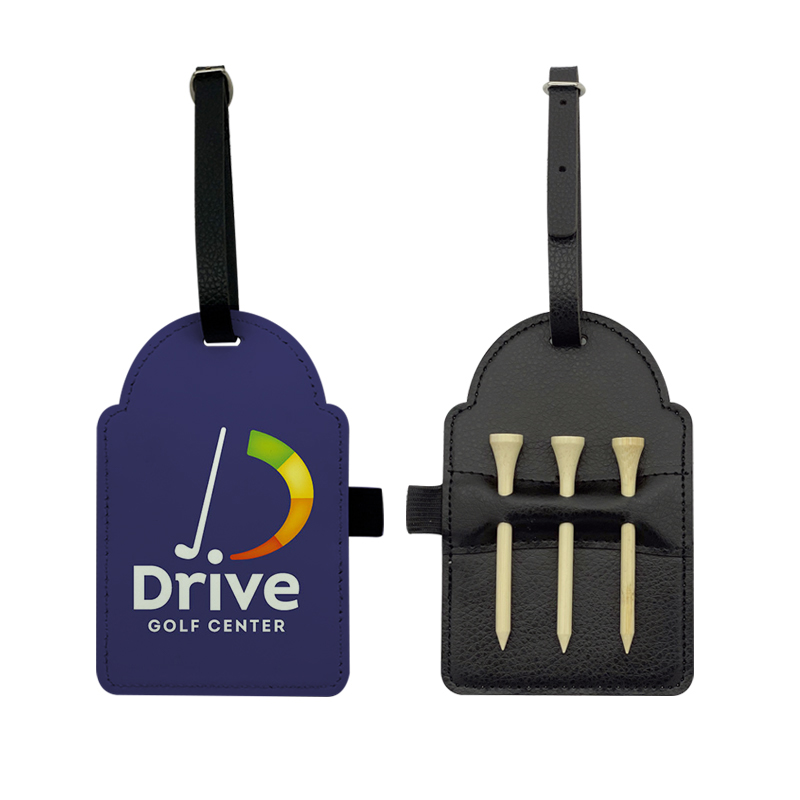
Check how the blank joins its ring. A weak split ring or an over-stretched hole fails long before the print does. For premium work, look for keyrings with painted or oiled edges, and for specialty products such as golf bag tags or bottle-opener keychains, confirm that the hardware is built for regular use. For a closer look at how printed leatherette behaves over months of use, see how sublimation leatherette patches hold up against wear.
Matching the Blank to Your Production Workflow
Your press, your schedule, and your customer's colour expectations should influence blank selection as much as the material itself. A flat heat press with a silicone pad handles keyrings comfortably; typical settings fall around 180–205 °C for 45–70 seconds, but every coating has its own window, so treat the supplier's recommendation as a starting point.
For high-volume orders, single-sided and thinner blanks keep cycle times down. For brand-driven work, colour consistency matters most: the same white or cream leatherette ordered in different seasons should match, and a supplier's leatherette colour chart tells you in seconds whether the range is organised or accidental.
A Qualification Checklist Before You Buy in Bulk
Set aside thirty minutes to test any new blank. This short list catches most of the expensive failures:
- Press a gradient with fine text at the recommended temperature and time, then look for ghosting, white streaks, and colour density.
- Measure five samples with a thickness gauge and reject anything that varies by more than 0.1 mm.
- Compare the printable and non-printable faces visually; on a single-sided blank, the back should still look clean and even.
- Screw or snap a ring into the blank and pull hard; the hole must not stretch, crack, or tear.
- Carry one finished sample in a pocket for a week, then compare it with a fresh piece. Edge greying, peeling, and abrasion predict what your customer will experience.
The Short Version
Start with PU leatherette keyrings for most sublimation work: they print cleanly, wear well, and behave predictably in production. Choose glitter-finish leatherette when the look should shine, fabric or burlap patches when the format should feel like a badge, and coated hard boards only when image sharpness matters more than scratch resistance. Confirm single-sided or double-sided printing at the quoting stage, qualify the blank with a real test, and keep colours consistent by working with a manufacturer that has produced sublimation blanks since 2009.
The best material is not the one that looks most expensive in the catalogue. It is the one that prints clean, survives the customer's pocket, and earns the next order.
Kontaktieren Sie uns
Ihre E-Mail-Adresse wird nicht veröffentlicht. Pflichtfelder sind markiert*
Kategorien
Produktkategorie

Kontaktieren Sie uns

-
86-15851089634

-
[email protected]

-
Raum 3110, Gebäude 6, Jinrongcheng, Nr. 5 Shiji Avenue, Bezirk Yandu, Stadt Yancheng, Provinz Jiangsu, China

-
Nr. 109, Team 1, Longnian, Nanyang, Bezirk Tinghu, Stadt Yancheng, Provinz Jiangsu, China, Postleitzahl: 224000
- SCHNELLLINKS

